Kiviõli - Oil Shale Town
photo project in Estonia from 2014-2017
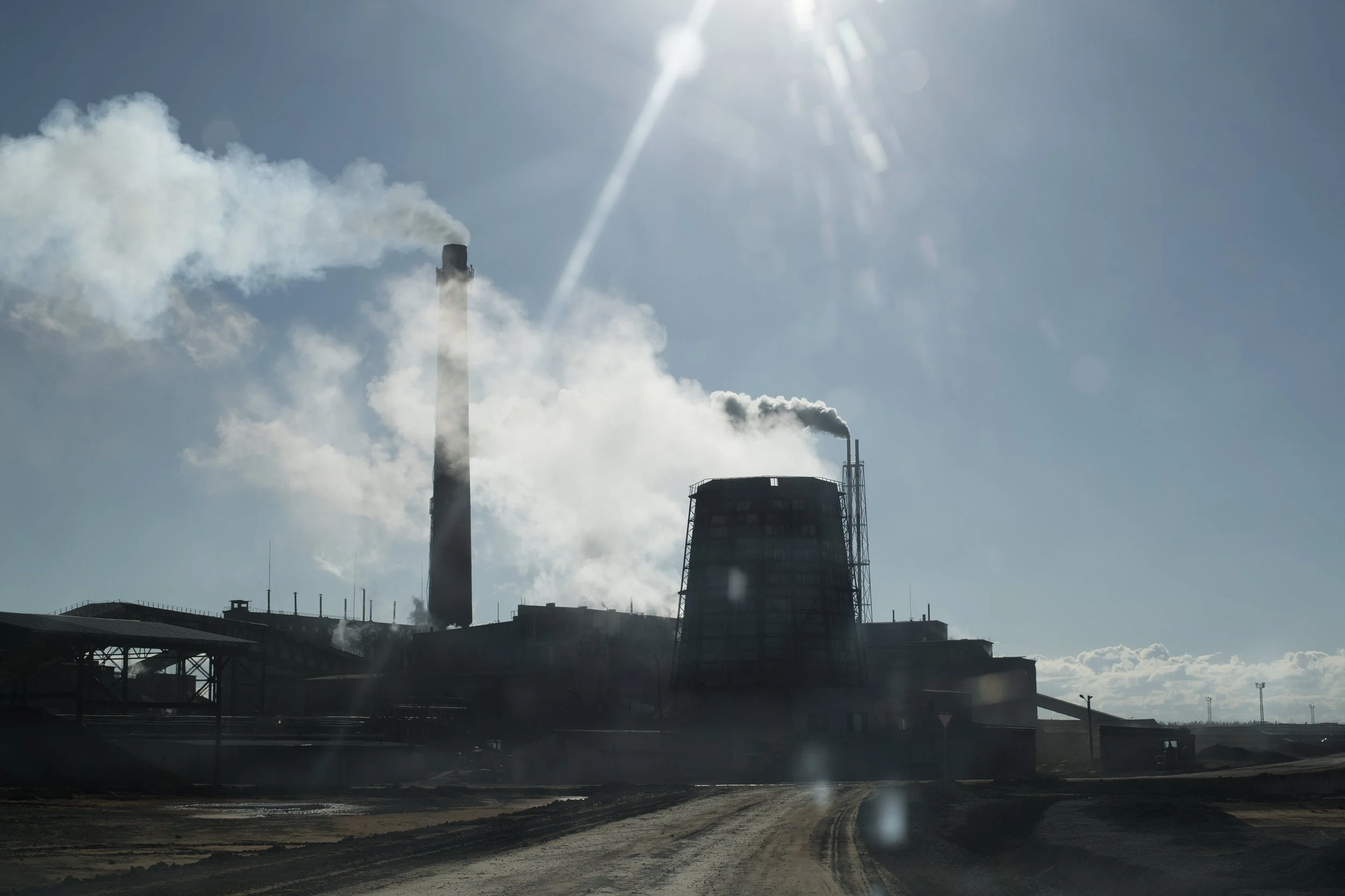
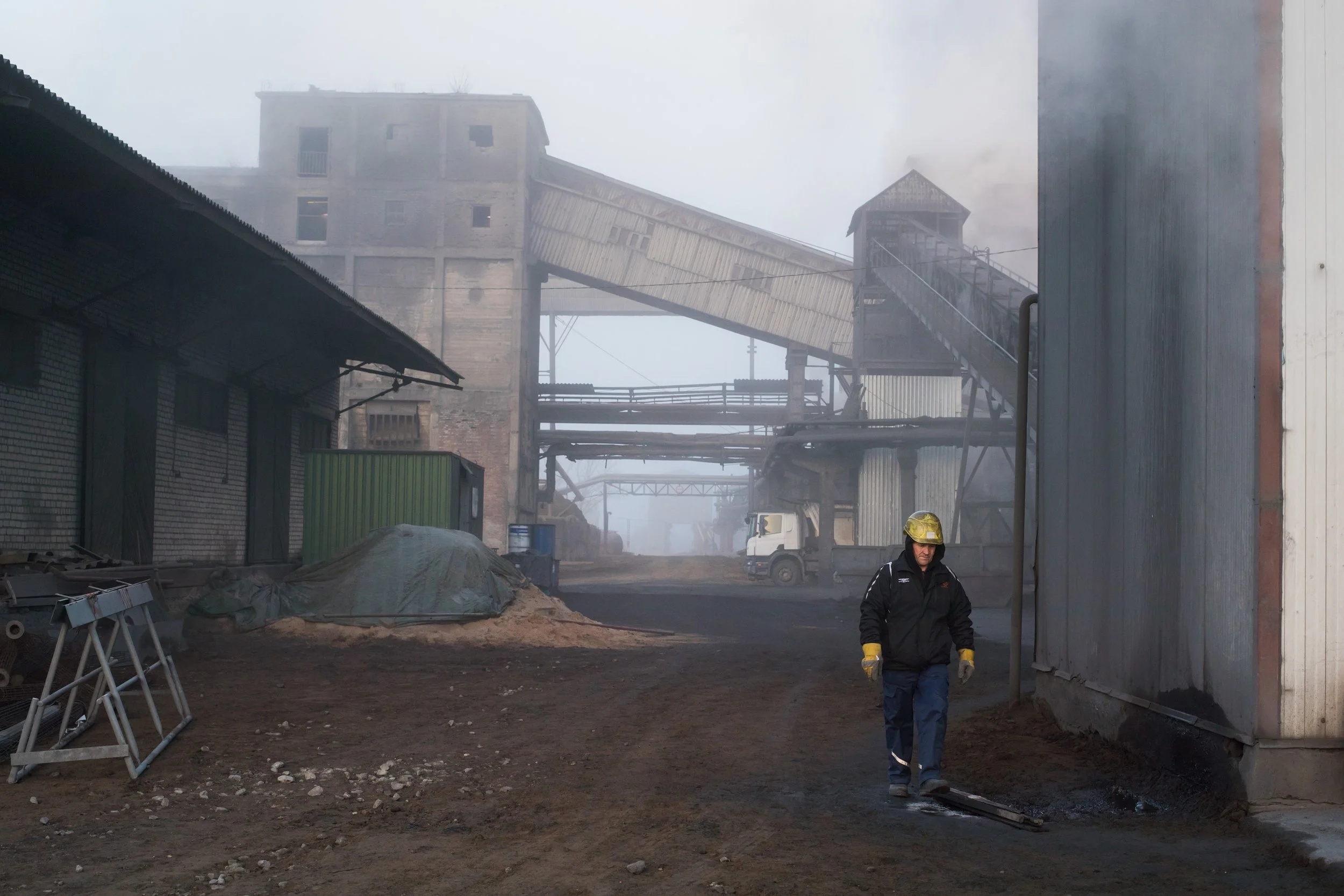
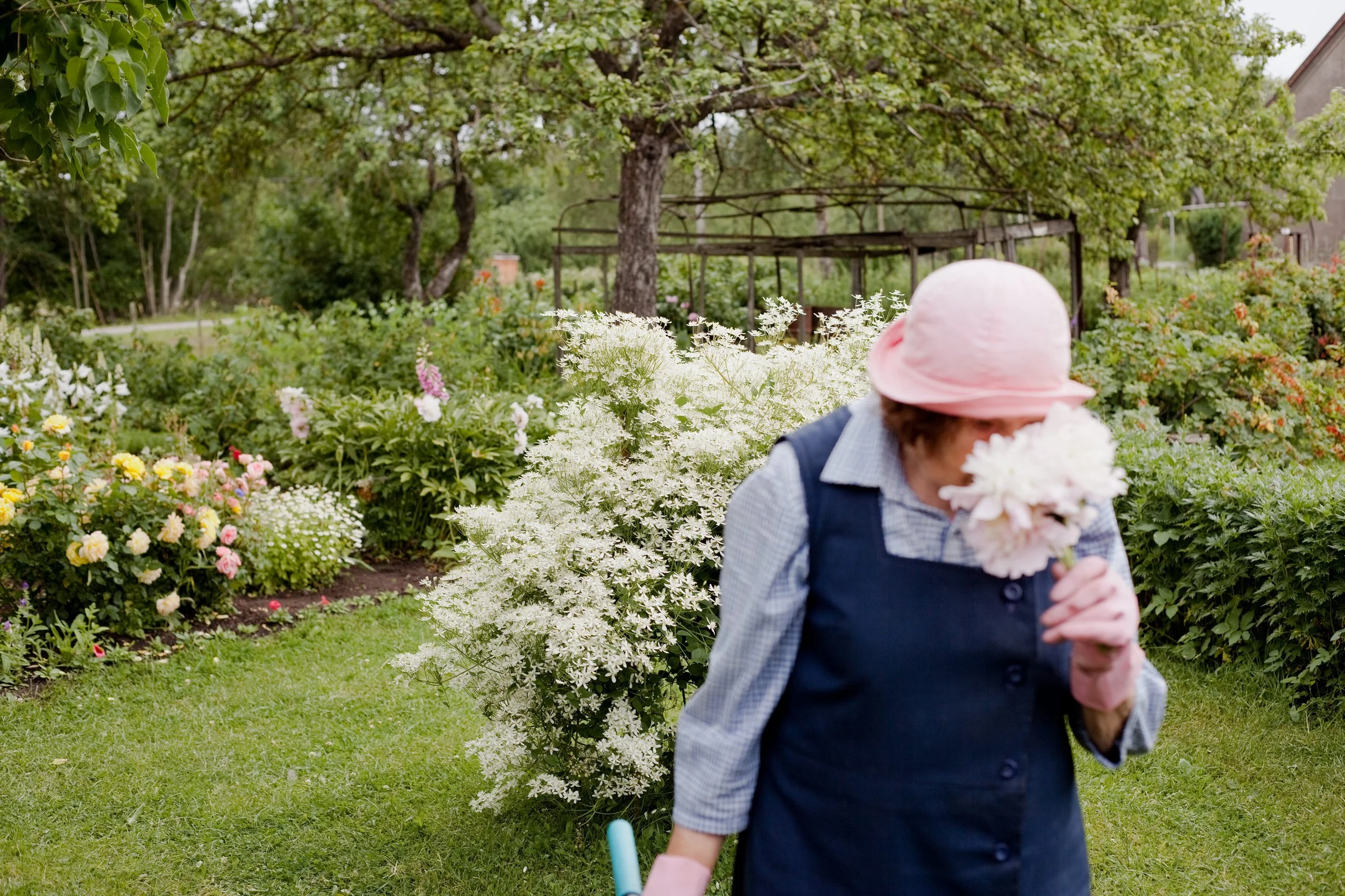
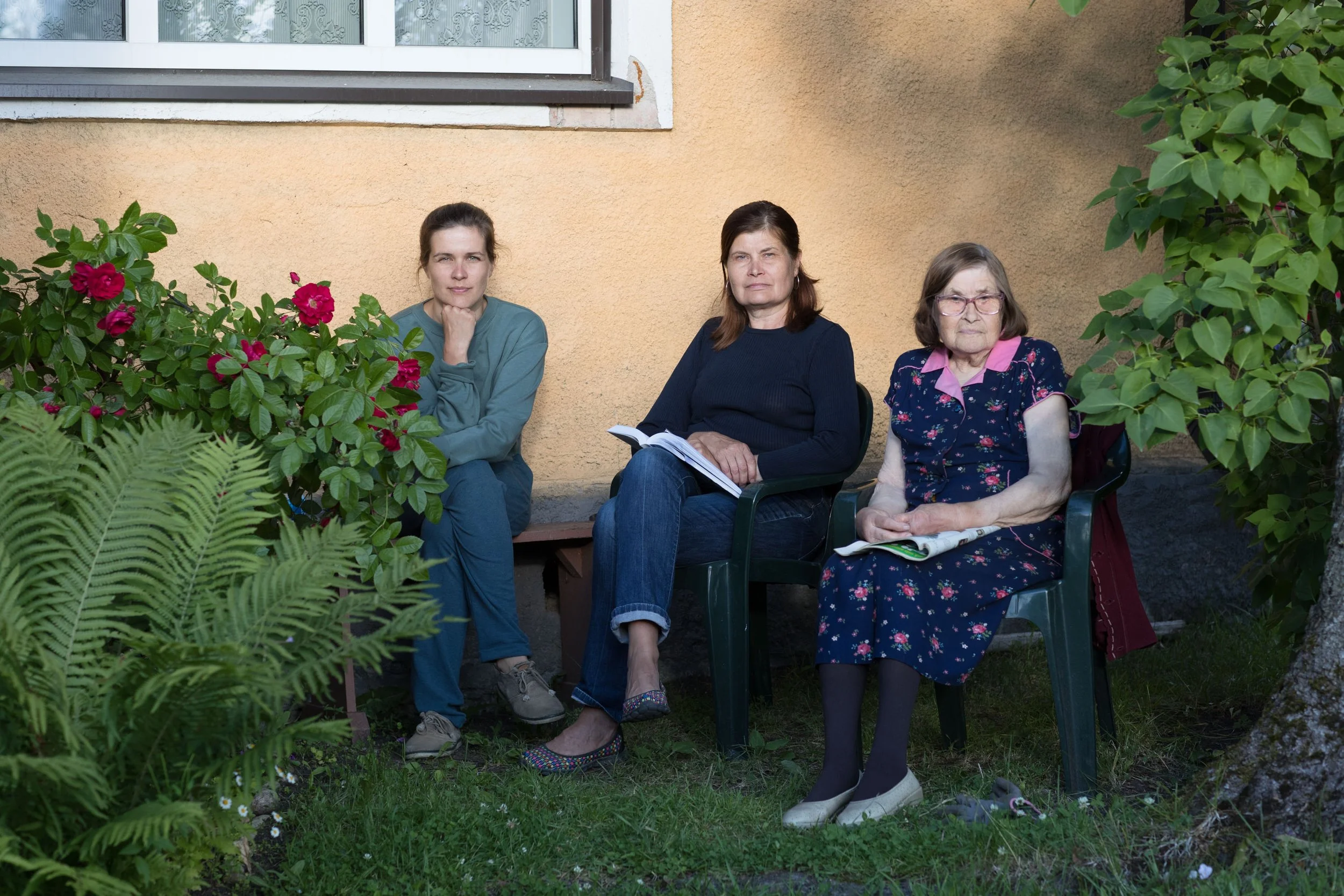
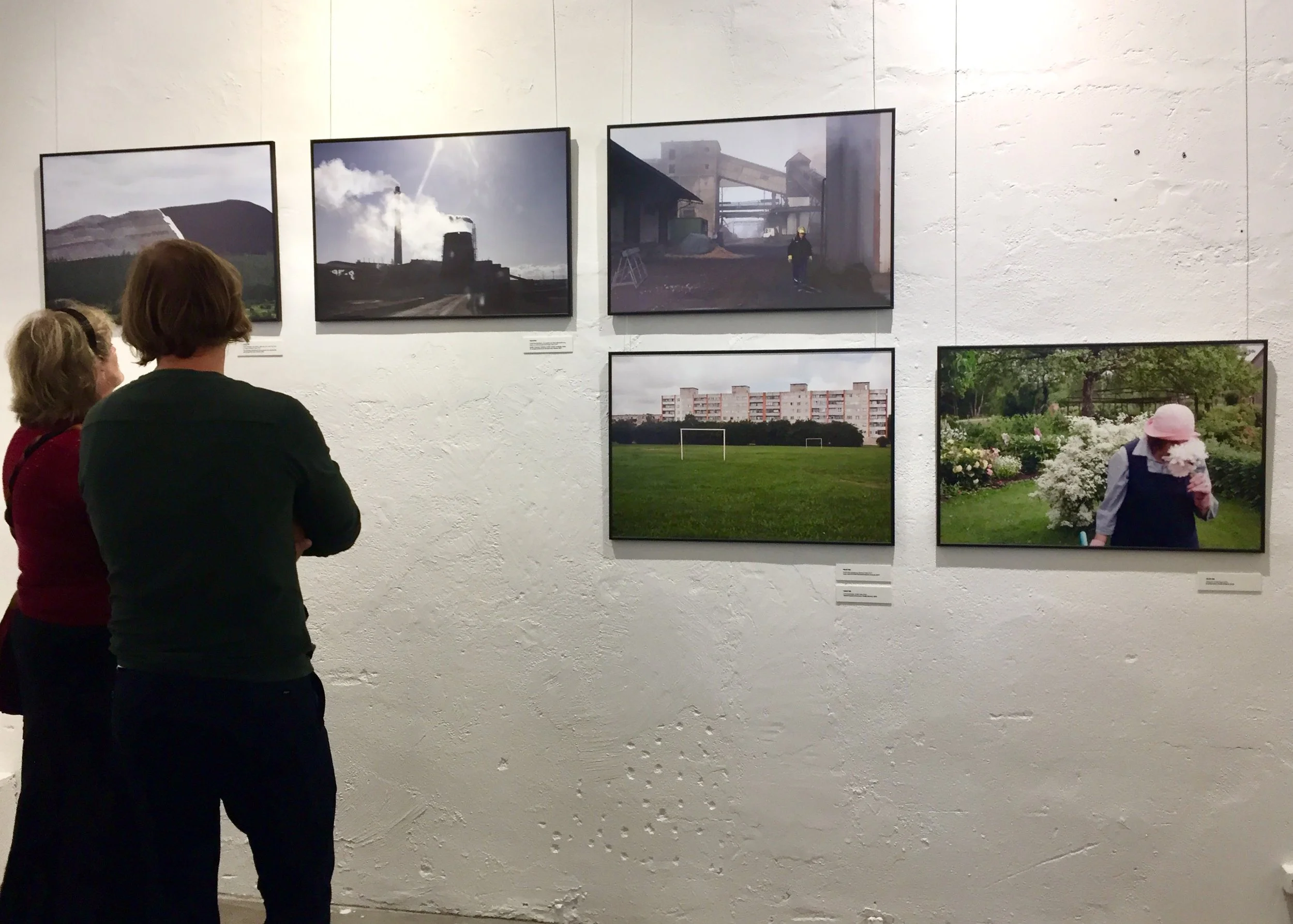
The photo project Kiviõli focuses on the town of the same name in Ida-Viru County and the development of its oil shale industry. It also includes self-portraits and portraits of the author's grandmother and mother, and their home right next to the industrial area.
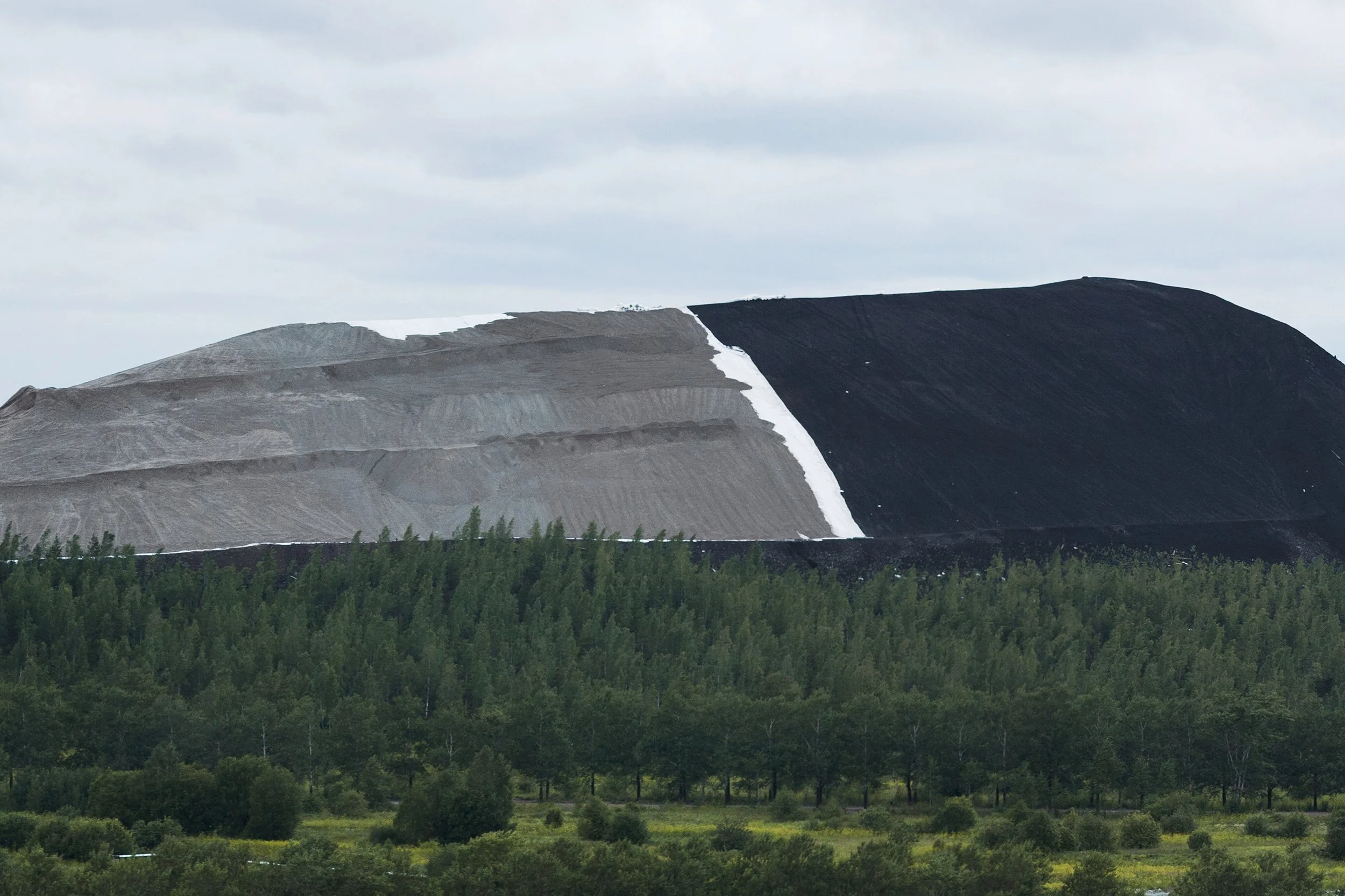
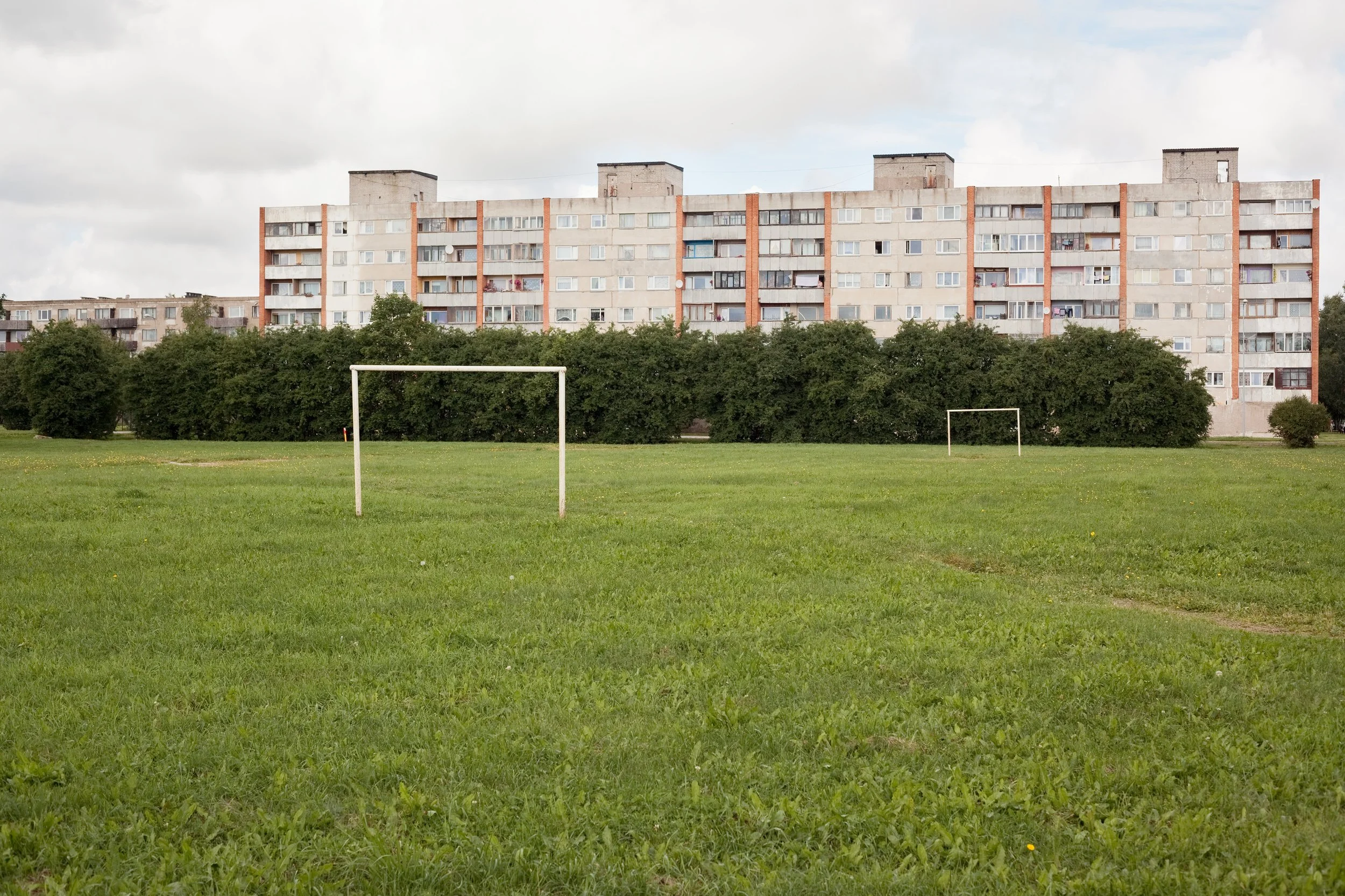
Ida-Viru County is rarely on tourists' radar — and for many Estonians, it doesn't feel like the Estonia they like to talk about. Life here seems to have paused somewhere in the Soviet era: dilapidated buildings, empty parks, ash hills, water-filled quarries. The entire county has long depended on the oil shale industry as its primary employer, and Estonia itself relied on shale oil for the majority of its energy needs for decades — at a steep environmental cost. Oil shale extraction has been the country's single largest source of greenhouse gases, hazardous waste, and water consumption.
The Kiviõli Oil Shale Plant was among Estonia's first. From the 1920s onwards, forests and meadows gave way to factories, mines, and workers' housing. People arrived from across Estonia and later from other Soviet republics. At its peak in the 1970s, the town had around 11,000 residents. Since independence, the population has halved and continues to age. Today roughly half speak Estonian, half Russian. The oil shale industry remains the largest employer — yet unemployment here is among the highest in Estonia.